Most bathroom delays do not start with demolition. They start earlier – with missing decisions, late material orders, or unrealistic expectations about how fast each phase can move. A good bathroom remodel timeline guide helps homeowners understand what actually happens between the first estimate and the final walkthrough, so the project feels organized instead of unpredictable.
If you are planning a bathroom update, the biggest question is usually simple: how long will this take? The honest answer is that it depends on the size of the bathroom, the age of the home, the scope of work, and how quickly materials and approvals come together. Still, most bathroom remodels follow a clear sequence, and understanding that sequence makes it much easier to plan around the work.
What a bathroom remodel timeline guide should account for
A realistic timeline is not just about construction days. It includes planning, selections, ordering, site preparation, active work, inspections when needed, and punch-list items at the end. Homeowners often focus on the week demolition starts, but the project really begins once the scope is defined and decisions are locked in.
For a standard bathroom remodel, the full process often runs several weeks from planning to completion. A straightforward refresh with limited layout changes can move faster. A full renovation with tile work, fixture upgrades, waterproofing, and custom details will usually take longer. In older homes, hidden conditions behind walls or under floors can extend the schedule even when the plan looked simple at the start.
Phase 1: Planning and estimating
The planning phase usually takes one to two weeks, sometimes longer if the scope is still evolving. This is when the homeowner and contractor define what is changing, what is staying, and what the finished space needs to accomplish.
For some households, the goal is cosmetic – new tile, vanity, lighting, paint, and fixtures. For others, the bathroom no longer functions well and needs better storage, a larger shower, improved layout, or updated finishes throughout. Those are very different jobs, and the timeline should reflect that difference from the beginning.
This is also the stage where clear communication matters most. When a contractor provides a detailed estimate and talks through the sequence of work, homeowners can make better decisions before the job starts. That reduces change orders later, which are one of the most common reasons a bathroom schedule stretches out.
Phase 2: Design choices and material ordering
Once the project scope is approved, selections usually take one to three weeks. This includes choosing the vanity, tile, plumbing fixtures, mirror, accessories, and finish details. If specialty materials are involved, lead times can become the most important factor in the entire schedule.
A simple stock vanity may be available quickly. Custom cabinetry or special-order tile may take several weeks to arrive. Shower glass is another item that often comes later in the process because final measurements usually happen after tile installation. That means it should be expected as part of the timeline, not treated as a surprise.
A dependable contractor will often encourage homeowners to finalize selections before demolition begins. That approach may feel slower at the front end, but it usually keeps the active construction phase more efficient. In real projects, waiting on a missing faucet or delayed tile shipment can create more frustration than waiting an extra few days to start with everything in place.
Phase 3: Pre-construction preparation
Before work begins, there is usually a short preparation window of a few days. Materials are confirmed, the schedule is organized, and the home is protected for construction. This is also when homeowners should prepare for reduced access to the bathroom and make alternate arrangements if it is the only full bath in the house.
In many homes around Methuen and surrounding communities, older finishes and tight layouts mean access and protection matter just as much as craftsmanship. Organized job sites, careful material staging, and daily cleanup make a noticeable difference in how manageable the project feels for the family living there.
Phase 4: Demolition and rough work
Demolition is usually the fastest visible part of the project, often taking one to three days depending on the room size and how much is being removed. Once walls, flooring, or old fixtures come out, the real condition of the bathroom becomes easier to evaluate.
This is where timelines can shift. Water damage around a tub, framing issues, uneven subflooring, or outdated conditions behind the walls can require corrective work before the remodel moves forward. That does not mean the project is off track. It means the contractor is addressing the structure of the room so the finished bathroom performs the way it should.
After demolition comes rough work. That can include framing adjustments, shower preparation, backing for accessories, and any necessary behind-the-wall updates connected to the remodel itself. This phase often takes several days, especially if the layout is changing.
Phase 5: Inspections and close-up work
Depending on the scope of the project and local requirements, inspections may need to happen before walls are closed. Inspection timing can affect the schedule because construction sometimes pauses until the approval is complete. This is one reason realistic planning matters more than promising an overly aggressive finish date.
Once rough work is cleared, the next step is insulation or backer materials where needed, followed by drywall installation and surface prep. In wet areas, proper waterproofing is not the place to rush. Homeowners often see tile as the star of the job, but the layers underneath are what protect the bathroom long term.
Phase 6: Tile, flooring, and finish surfaces
This is usually the most time-intensive phase of the visible remodel. Tile installation can take several days to more than a week depending on the size of the room, tile pattern, niche details, and drying times between steps. Larger-format tile, intricate layouts, and full shower surrounds all increase labor time.
Flooring and wall finishes follow their own pace. Paint may move quickly, but tile setting, grout curing, and careful trim work require patience. A bathroom can look almost finished during this stage while still being several days away from final completion.
If homeowners want the project done right, this is the phase where speed and quality often pull in opposite directions. A contractor focused on dependable results will build the schedule around proper installation, not just the fastest possible turnover.
Phase 7: Fixture installation and finishing details
Once surfaces are complete, the room starts coming together quickly. The vanity, toilet, faucets, mirror, lighting, hardware, and accessories are installed. If the remodel includes a custom shower enclosure, glass measurement may have happened earlier, with final installation scheduled near the end.
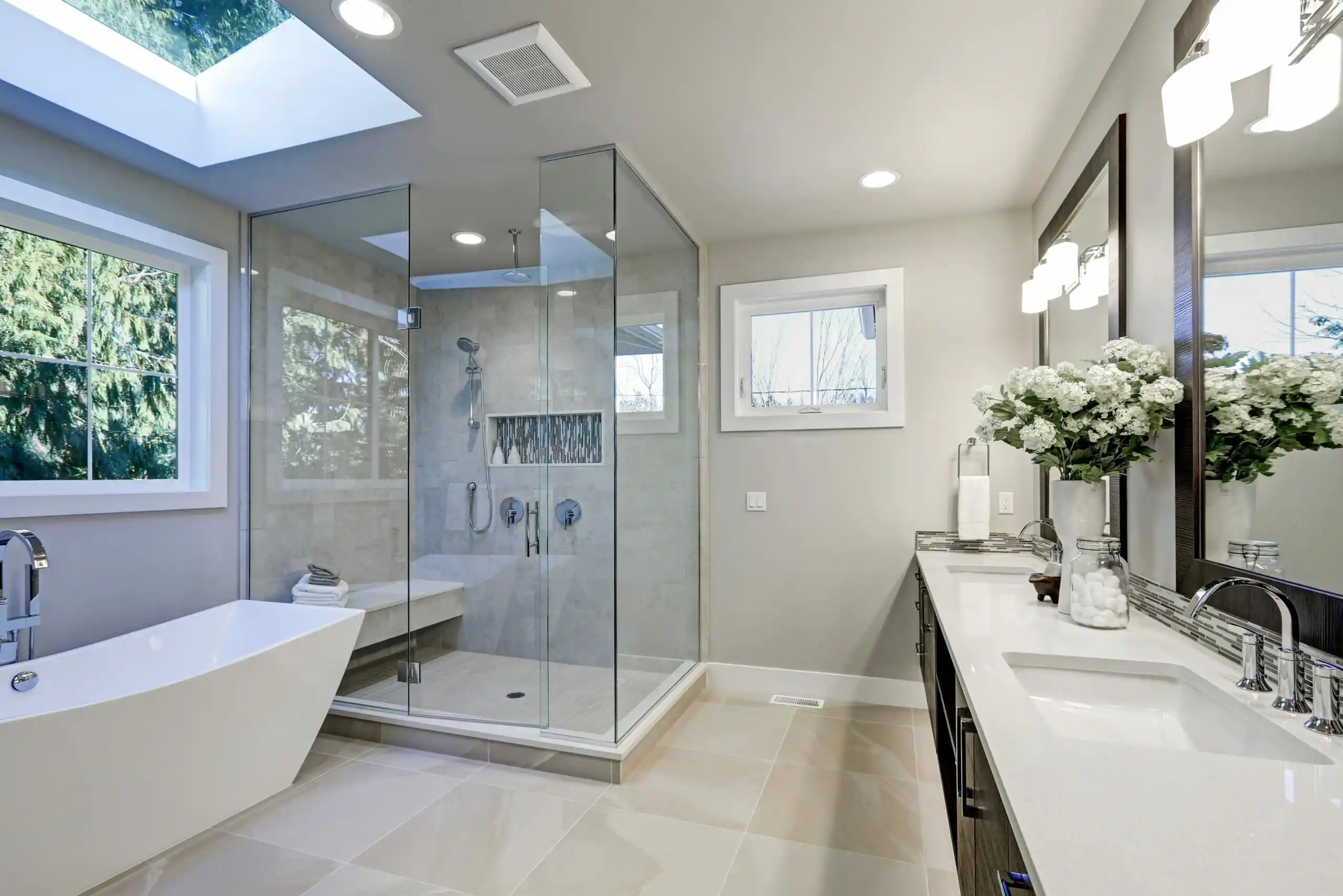
This stage often takes a few days, but it can be affected by product availability or coordination between finishing trades. Even small missing items can delay the final handoff. That is why complete material tracking matters from the start.
How long does a bathroom remodel usually take?
For many homeowners, the active construction portion of a standard bathroom remodel takes about two to four weeks. A smaller cosmetic update may land on the shorter end. A more detailed renovation with layout changes, tile-heavy design, or custom materials can take four to six weeks or more.
The full calendar timeline, including estimating, selections, ordering, and construction, is often longer. In practical terms, many bathroom remodels feel like a one- to two-month process from first planning conversation to final completion. That may sound longer than expected, but it is often what allows the work to stay organized and the finish quality to stay high.
Common reasons a bathroom remodel timeline changes
A good bathroom remodel timeline guide should also explain what causes delays. The most common issues are late product selections, shipping delays, hidden damage, added scope, and inspection timing. In some cases, homeowners decide mid-project to upgrade a finish or change a layout detail. That can be the right decision, but it usually affects schedule and budget.
There is also a difference between avoidable delays and necessary adjustments. Waiting on a product because no one ordered it on time is avoidable. Replacing damaged subfloor after demolition is a necessary correction. Homeowners usually respond well to timeline changes when they are explained clearly and managed professionally.
How to plan your schedule around the remodel
If the bathroom being renovated is the main one your household uses, timing matters beyond construction. Families should think ahead about school mornings, guest visits, and whether a second bathroom can realistically handle the traffic for a few weeks. If not, it may make sense to plan the project during a quieter period.
It also helps to think in terms of decision deadlines rather than start dates alone. The faster finishes and fixtures are chosen, the easier it is to keep the schedule steady. Homeowners who want the process to feel smoother should ask early about lead times, daily site organization, expected milestones, and how change requests are handled.
For local homeowners, Strong House Construction Corp. approaches bathroom remodeling with that kind of structure in mind – clear communication, organized work, and realistic scheduling that respects both the home and the people living in it.
A bathroom remodel always involves some inconvenience, but it should not feel chaotic. When the timeline is built around real conditions, clear decisions, and careful workmanship, the process becomes much easier to trust.